

Image: Freepik
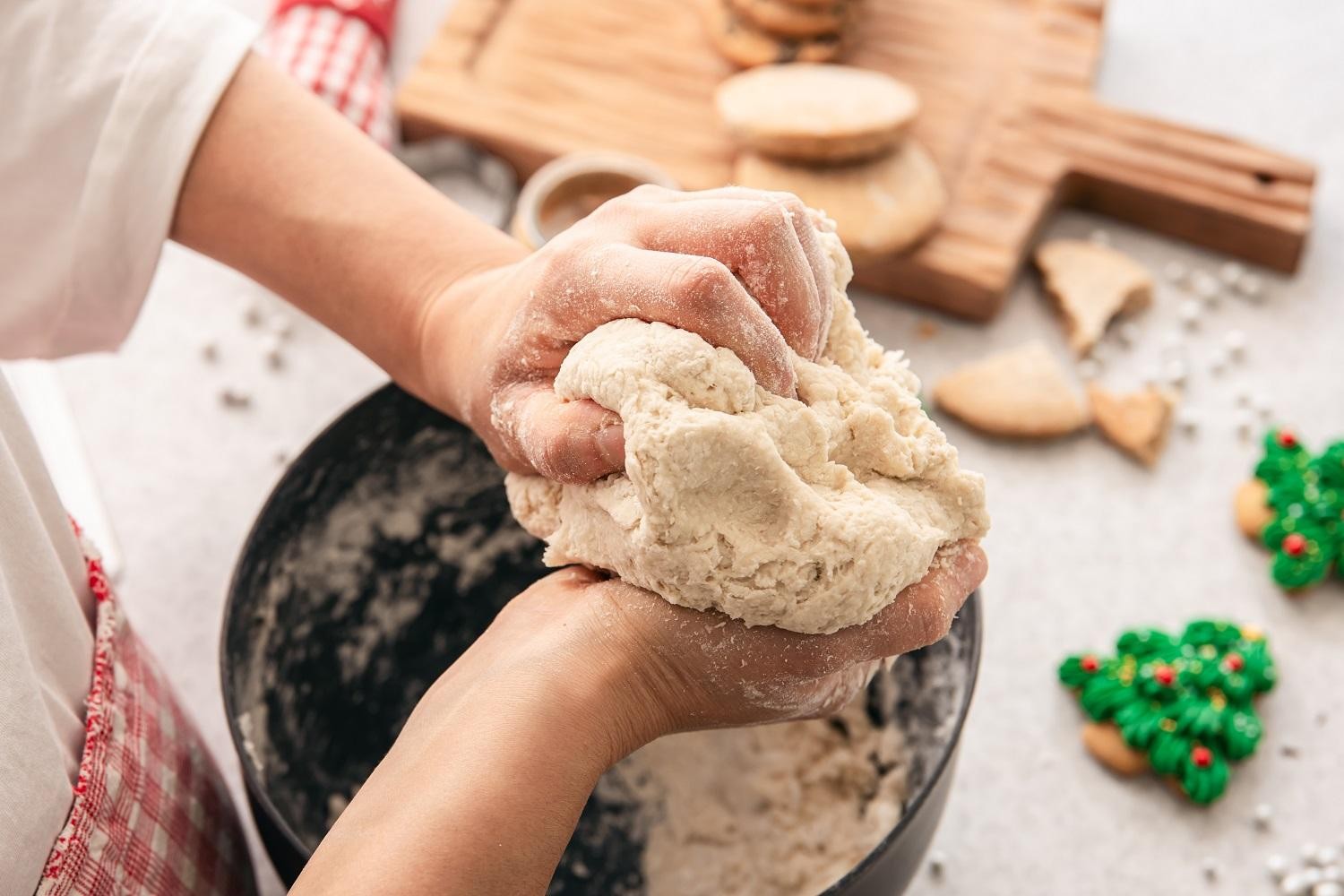
Kneading the dough is one of the most crucial steps in breadmaking. This process helps develop the gluten network in the dough and creates a soft, airy texture. In general, there are seven techniques for kneading bread dough correctly. Let’s discuss them!
What is Kneading Dough?
Kneading dough is the process of kneading or stretching bread dough before baking. The goal is to form and strengthen the gluten network in wheat flour. Gluten is the protein component in wheat flour that gives bread its structure and elasticity.
Well-formed gluten will allow the dough to retain the gas produced by fermentation, so that the bread rises, is soft and has beautiful cavities.
Kneading also helps even out the dough temperature, distributes the yeast evenly, and breaks down gas bubbles to produce a consistent crumb.
While some breads are often kneaded using a mixer , kneading the dough by hand has its advantages. First, by kneading by hand, you can better control the dough’s condition. Second, you can prevent over-mixing , which can occur with a machine.
7 Techniques for Kneading Bread Dough
Here are seven bread dough kneading techniques that you can practice at home:
1. Basic Fold
This basic technique is suitable for beginners. The method is simple: fold the dough in half, press with the heel of your hand, and then rotate the dough 90 degrees. Repeat this process for a few minutes until the dough feels elastic.
2. Claw Method
This technique is ideal for kneading dough directly in the bowl. To do this: Wet your hands and grab a portion of dough from the bottom of the bowl, pull it up until it stretches, then let it fall back down. Rotate the bowl and repeat this motion.
3. Dough Scraper
This technique is often used with very sticky, highly hydrated sourdough dough . As the name suggests, you’ll need to use a scraper or spatula to knead the dough. This tool helps you move and fold the dough without adding too much flour, which can make the bread tough.

Image: Freepik
4. Push and Fold
This is the most common and traditional method. Place the dough on a clean surface. Push the dough with the heel of your hand, stretching it, then fold the dough back toward you and twist it slightly (about a quarter turn).
5. French Fold (Slap and Fold)
This technique is often used in artisan bread recipes because it helps develop gluten quickly without requiring a lot of flour. To do this: Use both hands to pull the dough apart, lift it high above the work surface, and then slam it down.
6. No-Knead Method
If you want maximum results with minimal effort, the no-knead method may be an option. Simply mix the ingredients and let them ferment for a long time (up to 12–18 hours). Gluten will naturally form during this process.
7. Stretch and Fold
This technique is often used on high-hydration and no-knead doughs after autolyzing or bulk fermentation. The goal isn’t to knead intensively from the start, but to gradually develop gluten strength. To do this, take the dough from the bowl, pull one side up to stretch it, then fold it toward the center. Rotate the bowl or dough, and repeat on the other side.

Image: Freepik
Mastering the technique of kneading bread dough takes practice and patience. However, your efforts will be well worth it when you create soft, airy, and flavorful bread.
For those of you who run a bakery or cake business that uses wheat flour, make sure you always use high-quality flour! One manufacturer you can rely on is PT Manunggal Perkasa, which has over 27 years of experience in wheat flour production.
(ast/qlb)