
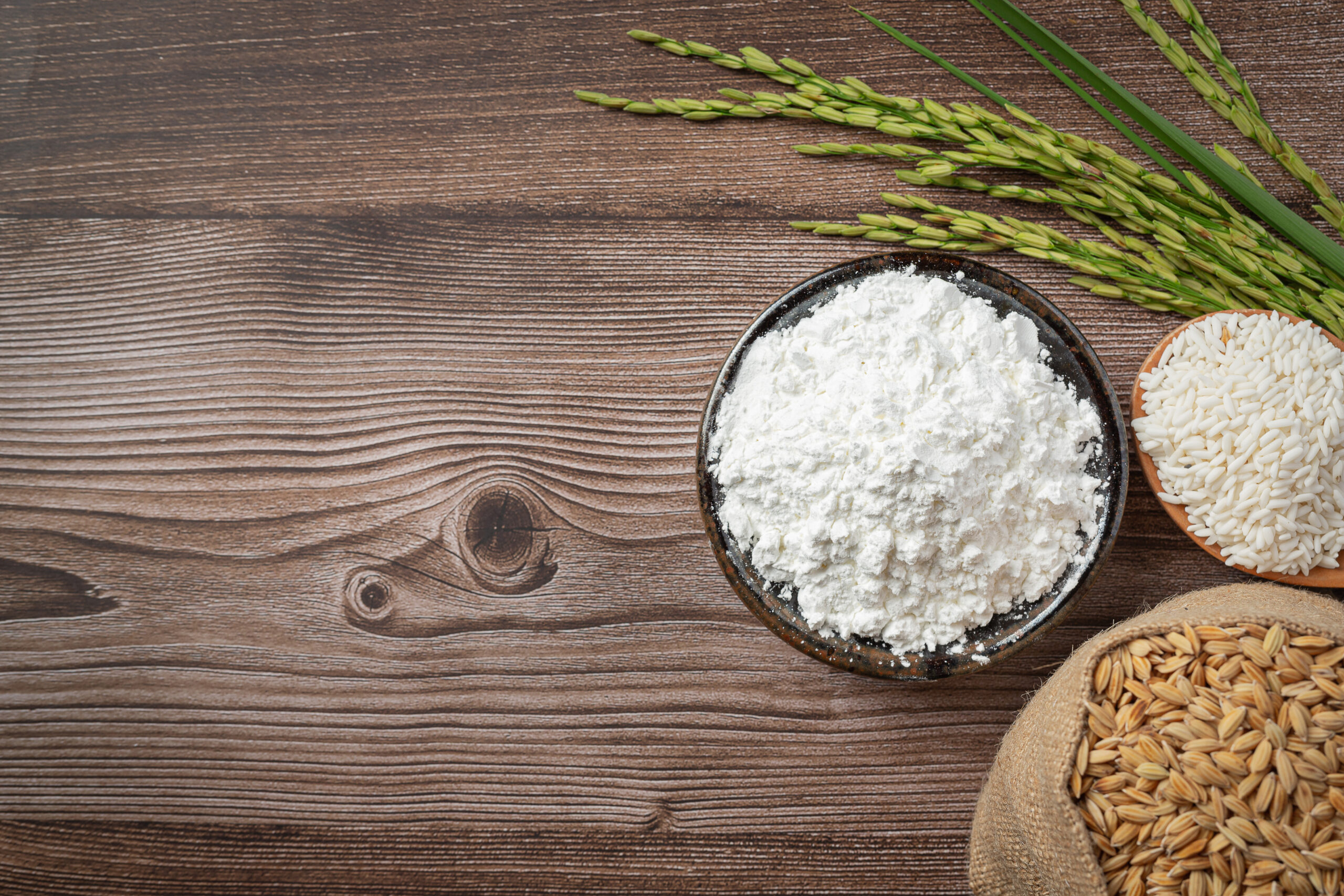

Rice and wheat flour are two staple ingredients commonly found in daily diets, both in Indonesia and many other countries. They play a crucial role in providing energy for the body. However, when it comes to calorie content, which one contains more, rice or wheat flour?
Calorie Content of Rice

Rice, especially white rice, is a primary source of carbohydrates in many diets around the world. When rice is cooked, it absorbs a significant amount of water, which affects the calorie count per 100 grams. Here are the calorie details for cooked white rice:
-
Cooked White Rice (per 100 grams): around 130 calories.
The calories in rice come from complex carbohydrates that supply energy to the body. However, the calorie content of rice is lower than that of wheat flour because a large portion of its weight when cooked comes from water, making it less calorie-dense.
Calorie Content of Wheat Flour

Wheat flour, made from ground wheat, is a key ingredient in various processed foods such as bread, cakes, pasta, and more. In its dry form, wheat flour contains more calories compared to cooked rice. Here are the calorie details for wheat flour:
-
Wheat Flour (per 100 grams): around 364 calories.
Wheat flour contains more calories per 100 grams because it’s denser and dry. When wheat flour is used in recipes, cooking often involves adding other ingredients like water, eggs, and butter, which can influence the total calorie content of the final dish.
Calorie Comparison Between Rice and Wheat Flour
When compared on the same weight basis (per 100 grams), wheat flour clearly has more calories than rice. This calorie difference can be explained by two main factors:
-
Water Content: Cooked rice contains a lot of water, making it lighter and less calorie-dense. In contrast, wheat flour is dry and more calorie-dense.
-
Nutritional Composition: Wheat flour contains more carbohydrates and protein compared to cooked rice, contributing to its higher calorie count.
Processed Foods from Wheat Flour and Rice
Although wheat flour has more calories in its dry form, how it’s processed can affect the total calorie content of food. For example, bread made from wheat flour tends to have higher calories due to added fats and sugars. On the other hand, cooked rice generally has fewer calories, although dishes like fried rice or rice served with oil and other ingredients can significantly increase its calorie content.
Which Is Better for a Diet?
Choosing between rice and wheat flour depends on your dietary goals. If you want to control your calorie intake, rice (especially when cooked plainly) may be a better option due to its lower calorie content per 100 grams. However, if you’re looking for a more calorie-dense carbohydrate source for more energy, wheat flour might be more suitable, especially in the form of bread or other processed products.
Furthermore, for more complete nutritional benefits, whole wheat flour or brown rice — which are richer in fiber, vitamins, and minerals — are healthier choices compared to refined white flour and white rice.
Conclusion
Overall, wheat flour contains more calories than rice per 100 grams when comparing their dry and cooked forms, respectively. However, whether to choose rice or wheat flour depends on your nutritional needs, diet goals, and preparation methods. Using ingredients wisely and being mindful of portion sizes is key to maintaining a balanced and healthy diet.
(syo/csb)